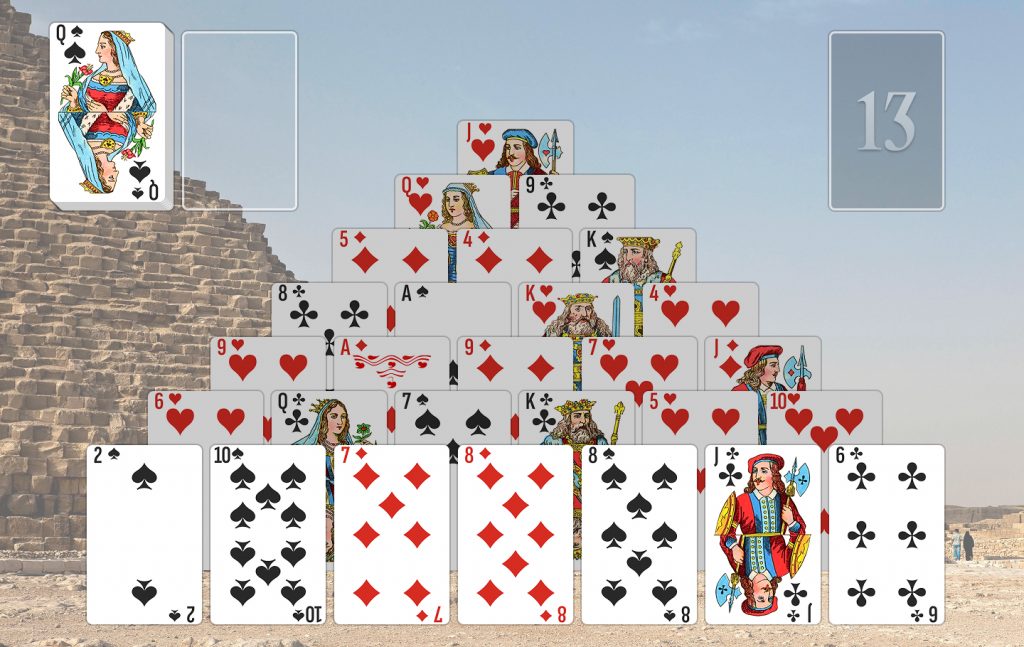

Golf Solitaire offers a refreshing change of pace from traditional solitaire games, combining quick gameplay with surprising strategic depth. Whether you’re new to this classic golf solitaire card game or looking to refine your skills, understanding the rules and strategies will help you achieve lower scores and more wins. Let’s explore everything you need to know about playing golf patience effectively.
What Is Golf Solitaire and Why Play It?
Golf Solitaire is a quick solitaire variant that uses a standard 52-card deck. The name comes from its scoring system, which mirrors real golf — lower scores are better—and the concept of playing through “holes” or rounds. The game is also known as Golf Patience or Solitaire Golf in different regions.
What sets this solitaire golf game apart from other variants is its unique combination of speed, simplicity, and strategic depth. Unlike Klondike or FreeCell, which can involve lengthy planning and careful card management, Golf Solitaire moves at a brisk pace while still rewarding thoughtful play. A typical round takes just a few minutes, making it perfect for quick mental breaks. The all-face-up tableau means you always have complete information, shifting the challenge from memory to decision-making and pattern recognition.
Setup For The Golf Solitaire Card Game
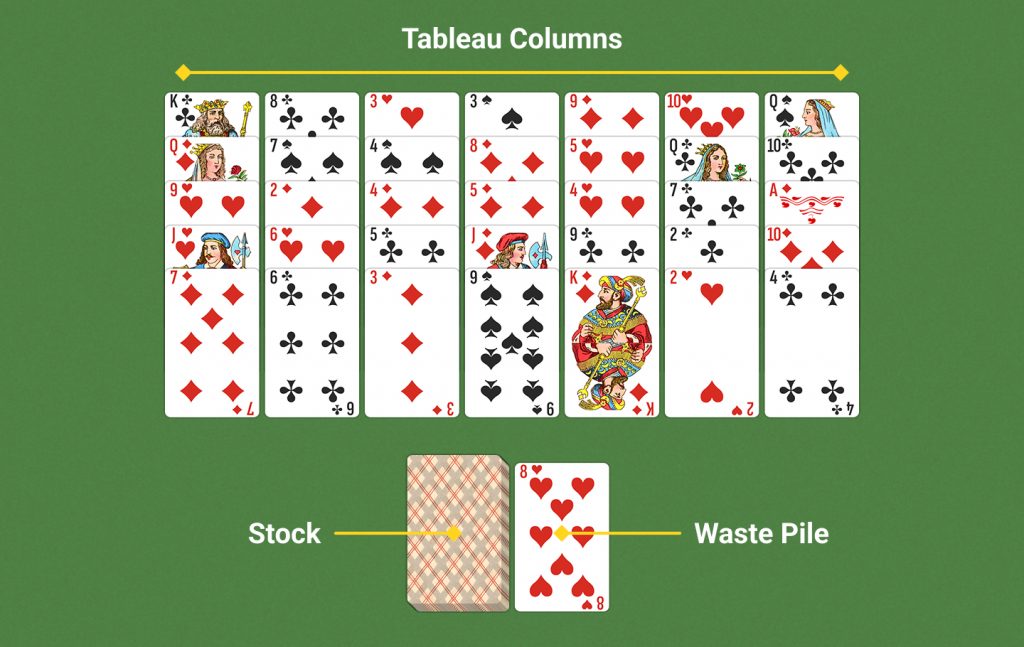
Golf Solitaire uses a standard 52-card deck with no jokers. The setup process is straightforward and takes just moments to complete.
1. Arrange the Tableau
Deal 7 columns with 5 cards each, totaling 35 cards. All cards are dealt face-up, which distinguishes this game from many variations where some cards remain hidden. This complete visibility is one of Golf Solitaire’s defining features — you can see every card from the start, allowing you to plan your approach from the opening move.
Setup summary:
- Number of columns: 7
- Cards per column: 5
- Card orientation: All face-up
- Total tableau cards: 35
2. Prepare the Stock
The remaining 17 cards form the stock pile. These cards are placed face-down and serve as your reserve when tableau moves become unavailable. In Golf Solitaire online games, this is sometimes called the “draw pile.” These 17 cards represent your safety net — use them wisely, as each draw without clearing tableau cards moves you further from a perfect score.
3. Reveal the First Waste Card
Turn over the top card of the stock to start the waste (or foundation) pile. This becomes the starting card for play. When you play Golf Solitaire at TheSolitaire.com, this step happens automatically, letting you jump right into the action.
Golf Solitaire Rules and Basic Play
The objective of any golf solitaire game is to move as many tableau cards as possible to the waste pile. Understanding these core mechanics is the foundation for developing strong play.
1. Move Cards To The Waste
You can only move cards that are exactly one rank higher or lower than the current waste card. For example, if the waste shows a 7, you can play either a 6 or an 8. Suit does not matter in classic Golf Solitaire. Only the bottom card of each column is available for play.
This rank-adjacent rule creates the game’s central tension. You’ll often face choices between multiple valid moves, and your decision impacts which cards become available next.
Key golf solitaire rules:
- Legal moves: One rank higher or lower only
- Suits: Ignored in standard rules
- Available cards: Only the bottom card of each column
2. Draw From the Stock
Draw from the stock when no tableau moves are possible. Drawing is mandatory when you’re stuck; you cannot skip this step. When you play golf solitaire online at TheSolitaire.com, the interface makes it clear when drawing is necessary.
Each stock card you draw represents both an opportunity and a cost — it gives you a new card to match against, but it also means one more card counted against your final score if you don’t clear the tableau completely.
3. No Wrap Concept Or Optional Wrap
Standard golf solitaire rules use “no wrap,” meaning Kings and Aces are not connected. Some golf solitaire variations allow “wrap” where Kings connect to Aces. With wrap enabled, you could play an Ace on a King or vice versa; without wrap, you cannot.
The no-wrap rule makes Kings and Aces the most challenging cards to clear. When you see these cards at the bottom of columns early in the game, you’ll need to plan carefully to ensure you can play them before exhausting your options.
Scoring In Golf Solitaire
Like real golf, the aim is for the lowest score possible. Understanding the scoring system helps you appreciate the strategic elements of the solitaire golf game.
1. Counting Points Per Round
Score 1 point for each card left in the tableau at the end of the round. A perfect score is 0, meaning all cards were cleared. Some free golf solitaire games may use different scoring systems, but this standard approach remains most popular.
This simple scoring system creates clear goals: every card you remove directly improves your score. Even if you can’t clear the entire tableau, removing 30 cards instead of 25 makes a meaningful difference.
2. Tracking Multiple Holes
You can play multiple “holes” (rounds), similar to real golf. Traditional formats use 9 or 18 holes. Total scores are summed across all rounds, letting you track your improvement over time.
Playing multiple rounds smooths out the luck factor. A particularly difficult starting layout won’t ruin your overall score, and consistent strategic play rewards you across the full game.
3. Handling A Hole-In-One
A “hole-in-one” means clearing all cards from the tableau. This achievement requires both strategic skill and a favorable card distribution.
Scoring table:
| Outcome | Points |
| All cards cleared | 0 points (hole-in-one) |
| 1-5 cards remaining | 1-5 points |
| 6+ cards remaining | 6+ points |
Variations And Advanced Options
Golf solitaire rules can vary between different versions, offering ways to adjust difficulty and style of play.
1. Wrap-Around Rules
Wrap-around rules allow Kings to connect to Aces. This makes the game easier and changes strategy considerably. Classic Golf Solitaire does not use wrap-around, maintaining a higher difficulty level.
When playing with wrap-around enabled, you gain significantly more flexibility with your end cards. This variation works well for beginners learning the game’s core mechanics without the added challenge of managing Kings and Aces.
2. Multiple Passes Through The Stock
Some golf solitaire variations allow reshuffling or multiple passes through the stock. Standard rules allow only one pass. Multiple passes make the game easier and increase win rates, making this a good option for beginners or casual play sessions.
3. Multiplayer Formats
Golf Solitaire can be played competitively. In head-to-head formats, players compare scores after each round. Some Golf Solitaire online games feature multiplayer options for added competition. Players can compete on the same deals, making skill rather than luck the determining factor.
Pro Strategies To Improve Your Solitaire Golf Game
Strategic play can dramatically improve your results when you play golf solitaire. These approaches come from analyzing thousands of games and identifying patterns that lead to success.
1. Uncover Longer Columns First
Focus on clearing longer columns to reveal more cards and create more options. Each card you remove from a tall column gives you access to the card beneath it, creating a cascading effect of new possibilities.
For example, if you have a choice between playing a 6 from a three-card column or a 6 from a five-card column, prioritize the taller column. This strategy prevents cards from being trapped and maximizes your available moves throughout the game.
2. Track Ranks and Neighbors
Pay attention to “neighbor ranks” — cards one rank higher or lower than the waste. For example, if the waste is an 8, track how many 7s and 9s remain visible in the tableau.
When you notice that only one or two cards of a specific rank remain, protect your access to those cards. Playing your last 9 when the waste is a 10 might seem safe, but if 8s are still buried in columns, you’ve limited your future options.
3. Control the Stock Wisely
Don’t rush to draw from the stock; exhaust tableau options first. Each card you play from the tableau both reduces your final score and opens up new possibilities. Drawing from the stock before exploring all tableau options is the single most common mistake among intermediate players.
Before drawing, scan all seven columns. Ask yourself: “Can I make any moves at all?” If the answer is yes, make those moves first. The stock will still be there when you truly need it.
4. Plan Two Moves Ahead
Look beyond the immediate move to set up longer sequences. When you see a 9 on the waste and have both an 8 and a 10 available, check what cards lie beneath each option. If the 8 covers a 7, and the 10 covers a Jack, playing the 8 first creates a potential three-card sequence (9-8-7) rather than just two cards (9-10).
The best players routinely look two or three moves ahead, especially in the mid-game when the tableau still contains many cards.
5. Maintain Flexibility
Keep your options open rather than committing to one sequence. If you have three Queens available and the waste shows a Jack, you don’t need to play all three Queens immediately. Play one, see what card it reveals, and reassess. This preserves flexibility if the game state changes unexpectedly.
Avoid moves that block multiple columns simultaneously. If playing a specific card would leave three or four columns stuck with Kings or Aces at the bottom, look for alternative sequences that maintain broader accessibility.
Common Mistakes and Pitfalls
Being aware of common errors can help you improve your play in this golf solitaire card game. These mistakes appear frequently, even among experienced players.
1. Relying Too Much On The Stock
New players often draw from the stock at the first sign of difficulty. This approach burns through your reserve quickly and leaves cards stranded in the tableau. Before drawing, force yourself to scan every column carefully. You’ll often find moves you initially overlooked.
The stock should be your last resort, not your first instinct. Skilled players typically draw from the stock only six to eight times per game, while beginners might draw twelve or more times.
2. Ignoring Key Ranks
Middle ranks (5, 6, 7, 8, 9) have two neighboring ranks, while Aces and Kings have only one. This makes middle ranks more flexible and valuable. When you have a choice, preserve access to these key ranks.
For example, if you can play either a 7 or a King on a 6, playing the 7 usually makes more sense. The King can only be played on Queens, while the 7 can connect to both 6s and 8s, giving you more future options.
3. Overlooking Long Sequences
Players sometimes tunnel vision on immediate moves without scanning for extended sequences. Before making any move, look for potential chains. A sequence of 5-6-7-8 sitting in one column represents a powerful opportunity — but only if you recognize it and plan to exploit it.
When you spot a potential long sequence, work backward from it. Ask yourself: “What card do I need on the waste to start this sequence?” Then look for ways to maneuver that card into position.
Mastering Golf Patience For Relaxation And Fun
Playing Golf Solitaire offers mental benefits, including relaxation and improved focus. The game balances simplicity with strategic depth, making it enjoyable for all skill levels. Regular play helps improve pattern recognition and strategic thinking.
The all-face-up layout and quick pace make Golf Solitaire particularly well-suited for mental breaks. Unlike some solitaire variants that can feel frustrating when you’re stuck, Golf Solitaire’s rapid rounds mean you’re never far from starting fresh. This creates a relaxing rhythm — play a round, assess your strategy, and try again with new insights.
TheSolitaire.com offers a distraction-free environment to play golf solitaire online. The clean interface and helpful features let you focus entirely on the game, whether you’re playing a quick round during a break or settling in for a longer session. The platform’s responsive design means you can enjoy free golf solitaire on any device, from desktop computers to mobile phones and tablets.
FAQs About Golf Solitaire
How Does Golf Solitaire Differ From Regular Solitaire?
Golf Solitaire focuses on removing tableau cards by playing one rank up or down from the current waste card. This differs fundamentally from Klondike Solitaire, which involves building foundation piles by suit from Ace to King. The gameplay in Golf Solitaire is considerably quicker, with complete information available from the start, while Klondike reveals cards gradually and requires different strategic considerations around hidden cards and building sequences.
What Are My Chances Of Winning At Golf Solitaire?
Win rates in Golf Solitaire depend heavily on the rule set and your skill level. With standard rules (no wrap, one pass through the stock), completely clearing the tableau happens in a minority of deals. However, skilled players can consistently score below 5 points per round, even when they don’t achieve a complete clear. The game rewards strategic improvement — players who apply the strategies outlined above will see measurable score reductions over time.
Can I Play Golf Solitaire On My Phone Or Tablet?
Yes, you can play Golf Solitaire on any device with a web browser. TheSolitaire.com offers a responsive design that adapts seamlessly whether you’re on a phone, tablet, or computer. The interface remains clean and easy to use across all screen sizes, with touch controls optimized for mobile play and keyboard shortcuts available for desktop users.
What Makes Golf Solitaire Easier Or Harder?
Several rule modifications affect Golf Solitaire difficulty. Wrap-around rules (allowing Kings to connect to Aces) significantly increase your win rate by eliminating the challenge of managing end cards. Multiple passes through the stock give you more chances to clear difficult cards. The standard rule set — no wrap, single pass, no special connections — provides the most challenging experience and the most meaningful measure of strategic skill. Classic Golf Solitaire on TheSolitaire.com uses these traditional rules for players seeking the authentic challenge.